

5,300 Years Ago in the Alps: The Iceman Ötzi and Chaga Mushroom
In September 1991, a mummy was discovered in the permanent snowfield at an altitude of 3,300 meters in the Alps. The academic community named this man, who had lain asleep in the ice for 5,300 years, the 'Iceman Ötzi.'
Ötzi, estimated to be 160 centimeters tall and in his late 40s, was found dead after being struck by an arrow, but the artifacts he left behind became valuable clues revealing the wisdom of prehistoric humanity.
Among the items found in Ötzi's bag, the most interesting were two black lumps discovered together with needles used for treatment. Scientists' analysis revealed that these were none other than chaga mushrooms.
Considering that the dozens of tattoos carved on his body are traces of acupuncture, Ötzi is presumed to have been a shaman serving as his tribe's healer at the time. In other words, chaga mushroom was already a precious gift of nature that humanity had been using for health since 5,300 years ago.
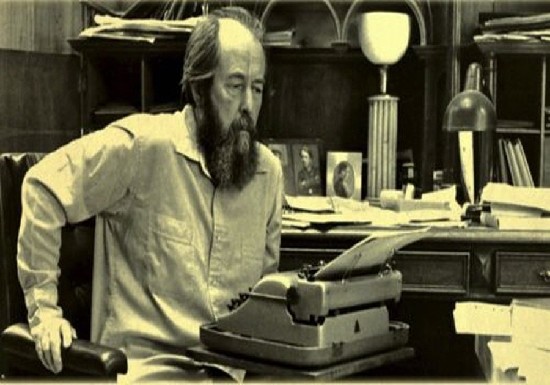
Solzhenitsyn's Cancer Ward and the Rediscovery of Chaga Mushroom
Leaping far forward in time to the mid-20th century, Nobel Prize-winning writer Aleksandr Solzhenitsyn introduced chaga mushroom to the Western world through his masterpiece 'Cancer Ward.'
Solzhenitsyn, who was diagnosed with terminal stomach cancer in a forced labor camp under Stalin's rule in the 1950s, miraculously recovered at a hospital in Tashkent, Uzbekistan, and based on this experience he wrote 'Cancer Ward' in 1968. Having overcome terminal stomach cancer, Solzhenitsyn ended his life in 2008, at the age of 91 by Korean age reckoning, of a heart attack.
In the novel, Russian peasants are described as "boiling and drinking 'chaga' instead of tea to save on the cost of tea." Solzhenitsyn described chaga mushroom as "the cancer of the birch tree," depicting the paradox that this black mushroom, which absorbed the birch's nutrients and endured the bitter cold, conveys instead a tenacious vitality to humans.
In the 1950s, the Soviet scientific community conducted large-scale research on chaga mushroom and recommended its consumption to the public, and a decade or so later, when Solzhenitsyn's novel was published abroad, people around the world came to know of the existence of chaga mushroom.
The Black Jewel Raised by the Birch Tree
Chaga mushroom is a unique mushroom that grows on birch trees in cold regions such as Siberia and Northern Europe. Its exterior is black and bumpy, but its interior glows with a golden hue, and as it grows by feeding on the birch's sap, it comes to contain a highly concentrated array of beneficial compounds such as beta-glucan, polyphenols, and betulinic acid.
For hundreds of years, there has been a tradition in Russia and Northern Europe of brewing chaga mushroom and drinking it like tea. For those enduring the long winter, chaga mushroom tea was an everyday beverage, and it has been used among folk remedies for various health purposes.
Nature's Wisdom Verified by Time
We often try to find the secret to protecting our health in cutting-edge science or new wonder drugs. But sometimes the answer is hidden in the old wisdom that humanity has long held onto.
The chaga mushroom that Ötzi treasured as he crossed the Alps 5,300 years ago, the chaga mushroom Solzhenitsyn experienced in the 1950s, and the chaga mushroom that Siberian peasants drank like tea for hundreds of years. All of these stories show that chaga mushroom is not a mere passing trend but a gift of nature verified over long ages.
- Kinam Oh, kinam_oh@hanmail.net